Search by affected crop [→ Lepidoptera pests on Allioideae]

Order: Lepidoptera (moth, butterfly)

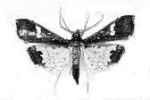
Adult

Wings covered with scales and or dense hairs
Immature

Butterflies and moths undergo complete metamorphosis: egg, larva, pupa, and adult. The larvae, commonly known as caterpillars, have chewing mouthparts.

Noctuidae (cutworm moths). The Noctuidae is a large including species of economic importance like armyworms, cutworms, bollworms, and loopers. They are primarily foliage feeders, but many species also consume stems and fruits.

Pyralidae (snout and grass moths). The small moths of this family have a prominent snout (labial palps) and are commonly found in grassy areas, like the European corn borer.

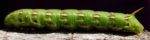
Sphingidae (sphinx moths). The larvae of sphinx moths almost always have a spinelike projection on their eighth abdominal segment and, therefore, are commonly known as hornworms. These foliage feeders are a threat to many solanaceous crops.
PictureScientific nameCommon nameDescription
Agrotis segetumTurnip mothLarvae are covered with long hairs and 1st instars have 3, 2nd instars between 6 and 10 prolegs. Fully grown larvae are 40-50 in length. Adults have a wingspan of approx. 40 mm and brown fore wings with a clear circular spot in the middle.
Helicoverpa armigeraTomato fruitworm1st and 2nd larvae are yellow-white in color with dark legs. Color is extremely variable in older larvae. Adults have a wingspan of 35-40 cm, and a length of 14-18 mm. Damage differs by host species. The tomato fruitworm is polyphagous and older larvae may bore into pods and consume seeds.
- no photo available -Spodoptera exiguaBeet armywormYoung larvae commonly feed on the under surface of leaves, leaving the upper epidermis and larger veins intact. They are light green to dark brown with longitudinal stripes. Adults are 10-15 mm long with a wingspan of 25 mm.
Spodoptera lituraArmywormEggs are laid in clusters of several hundred. Larvae are hairless and variable in color. They have longitudinal bands and two dark spots laterally on each segment.
PictureScientific nameCommon nameDescription